


(Instruction)
A house is not an object. It's a process.
From idea, to drawing, to parts, to space, to time.
Each stage shapes the next — and eventually shapes the one before it.

idea
The beginning of a house.
Before drawings, materials, or construction, there is an idea.
Sometimes it begins with a problem to solve.
Sometimes with a feeling, a memory, a site, or a way of living someone hopes for.
This early thinking shapes every decision that follows — quietly influencing space, light, movement, and experience long before anything is built.
A house begins long before construction. It begins with intention.
Why it matters - Poor decisions later in a project often begin with unclear thinking early on.
Understanding the role of the idea helps people recognise that good houses are rarely accidental — they are guided by clear intention.

drawing
The translation of an idea.
An idea becomes useful when it can be shared.
Drawings turn intention into something others can understand, question, cost, and eventually build.
They describe relationships — between rooms, structure, materials, light, movement, and detail.
A drawing is not simply instruction. It is a way of thinking made visible.
Long before a house exists physically, it exists as a set of drawings.
Why it matters - Many problems in building begin with misunderstanding.
Drawings create shared understanding, helping decisions become clearer, risks become smaller, and good ideas survive the building process.
Understanding the role of drawings helps people recognise that houses are not built from assumptions — they are built from communication.
parts
The assembly of decisions.
A house is not built all at once. It is built in parts.
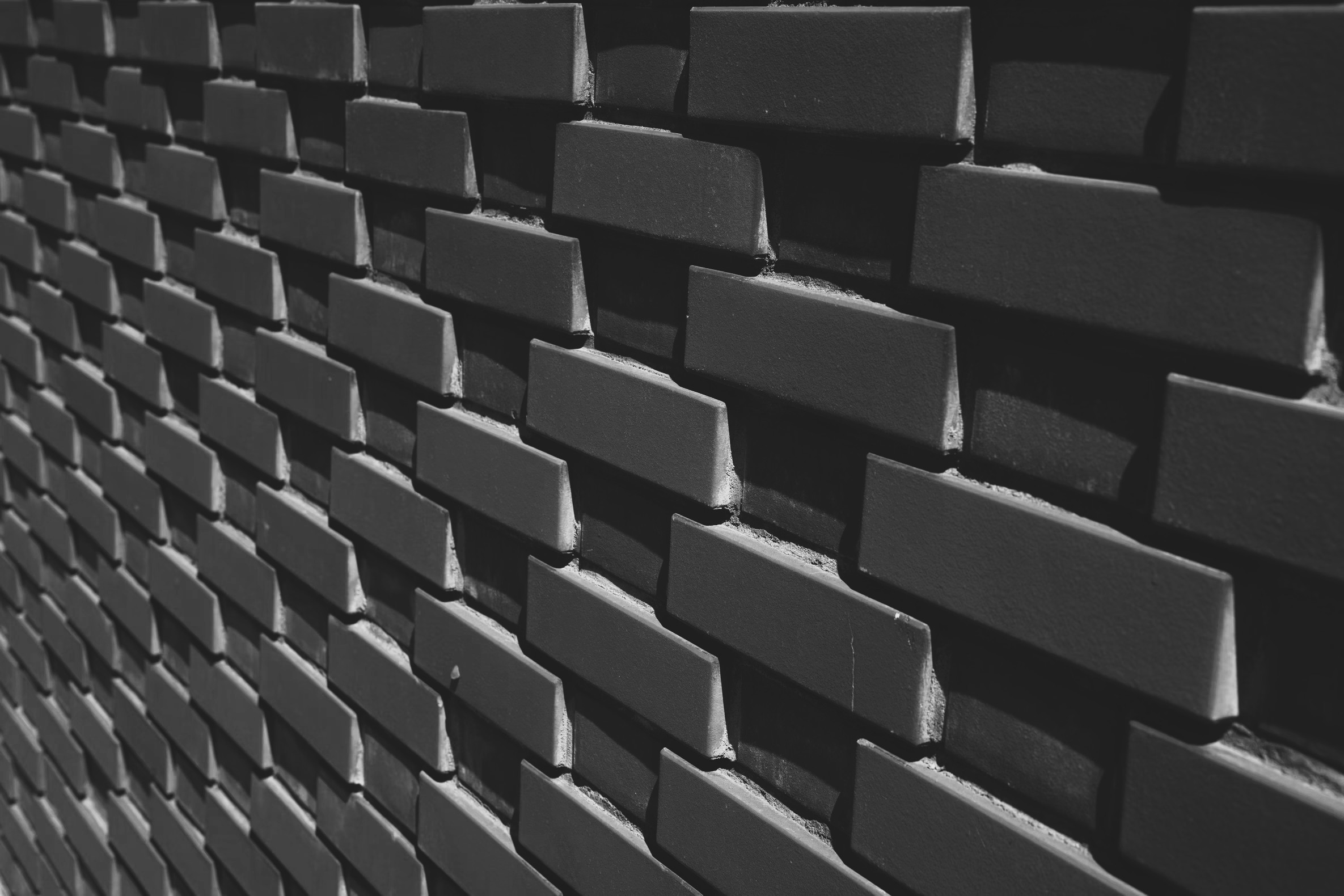
Every junction, material, reveal, opening, threshold, and connection carries intention forward — turning drawings into physical reality.
Parts describe how things meet: wall to floor, inside to outside, structure to finish, material to light.
These decisions are often small, but rarely insignificant.
They shape how a house feels, performs, ages, and endures.What appears simple in a finished home is often the result of hundreds of thoughtful decisions made quietly in the background.
Why it matters - Many of the qualities people feel in a good house — calm, care, durability, warmth, precision — are created through details that are rarely noticed directly.
Understanding parts helps people recognise that good houses are not accidental.
They are assembled through attention, relationships, and care.

space
The experience of a house.
A house becomes meaningful through the spaces it creates. Space is not simply what sits between walls. It shapes movement, light, privacy, gathering, rhythm, comfort, and the feeling of everyday life.
The arrangement of rooms, proportions, thresholds, views, and relationships quietly influence how a home is lived in — often without being consciously noticed.
Some houses feel calm. Others feel disconnected, compressed, generous, protective, or open. These experiences rarely happen by accident.
Good space is not decoration. It is the result of thoughtful decisions carried forward from idea, drawing, and construction into lived experience.
Why it matters - People live with the consequences of spatial decisions every day.
The feeling of a home — how it supports rest, routine, family, privacy, and connection — is shaped long before furniture or finishes arrive.
Understanding space helps people recognise that houses are not only things we occupy — they quietly shape the way we live.

time
The life lived within a house.
A house changes over time — and so do the people within it.Light shifts. Materials age.
Rooms adapt. Marks appear. Meanings accumulate.What begins as an idea slowly becomes memory, routine, habit, celebration, repair, and everyday life.
Some houses deepen with time, becoming more generous, more familiar, and more connected to the people who live in them.
Others reveal decisions that never quite supported the life unfolding inside.
A good house is not only designed for the present. It allows room for change, care, ageing, and continuity.
Why it matters - Houses are long companions.
The decisions made early — in intention, drawings, details, and space — quietly shape how a house performs, feels, and endures over decades.
Understanding time helps people recognise that a house is never finished. It continues to change, gathering meaning through use — and eventually shaping the next idea.
Every house tells a story of decisions.
Some visible.
Some hidden.
The House Space framework exists to help make that logic visible — so people can move through houses with greater understanding, confidence, and care.
.png)
.png)