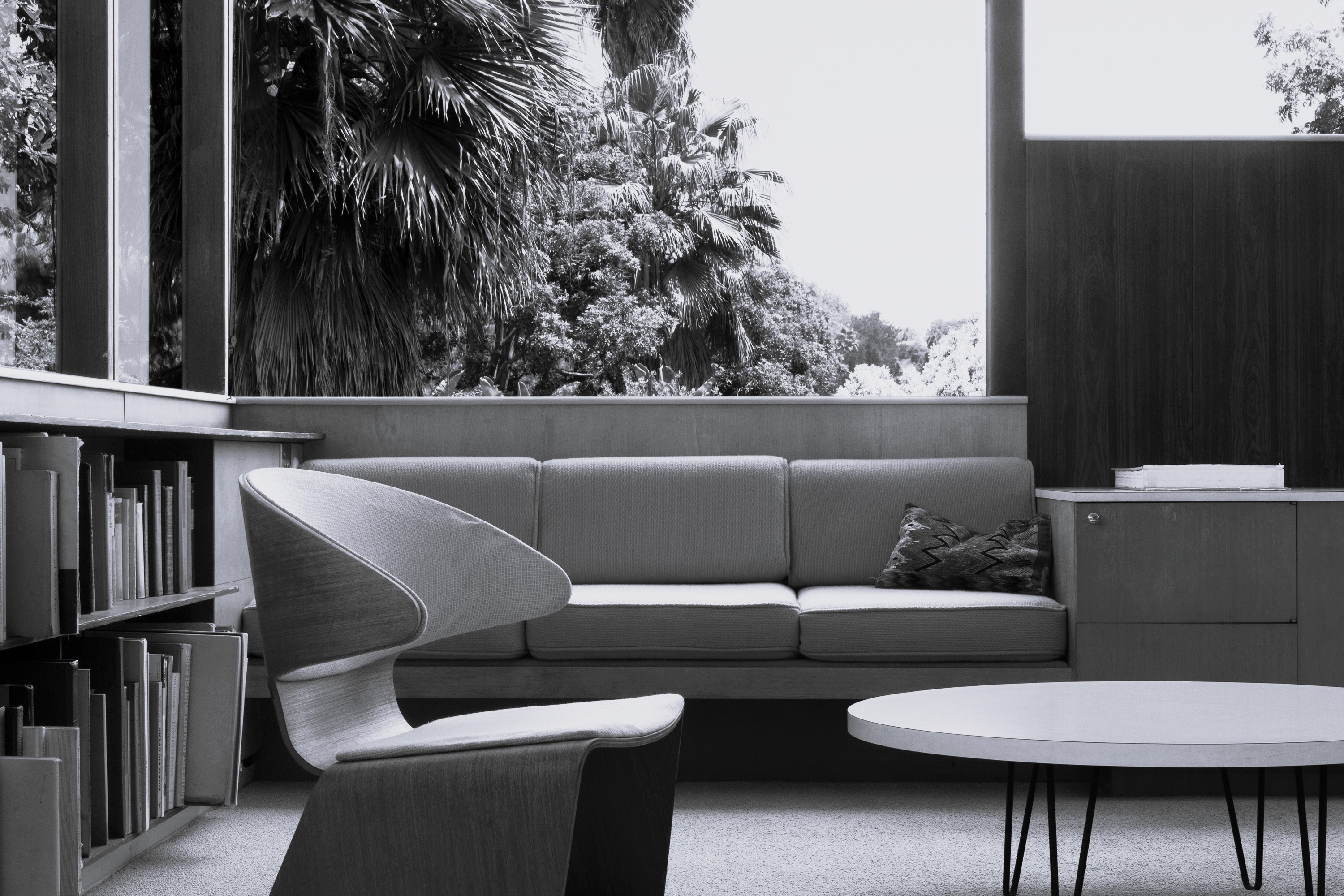


Some homes immediately feel comfortable. That feeling is rarely accidental.
We often describe a home as calm, warm, bright, or welcoming without knowing why.
Those feelings are created by hundreds of design decisions working quietly together.
Understanding them changes the way you experience every house you enter.
%20b.jpg)
Walk into two houses of similar size and one may instantly feel calm while the other feels unsettled.
The difference usually isn't the furniture.
It isn't the paint colour.
It isn't even how expensive the house is.
Long before decoration begins, architects and designers are making decisions about light, proportion, movement, privacy, views, ceiling heights, materials, and how each room connects to the next.
Together, these decisions create an experience.
Natural light slows us down.
Clear circulation removes friction.
Balanced proportions feel comfortable without demanding attention.
Even the distance between a kitchen and a dining table quietly changes how people gather.
We experience all of this instinctively.
Understanding these invisible decisions helps us realise that calm isn't something we buy.
It's something that's designed.
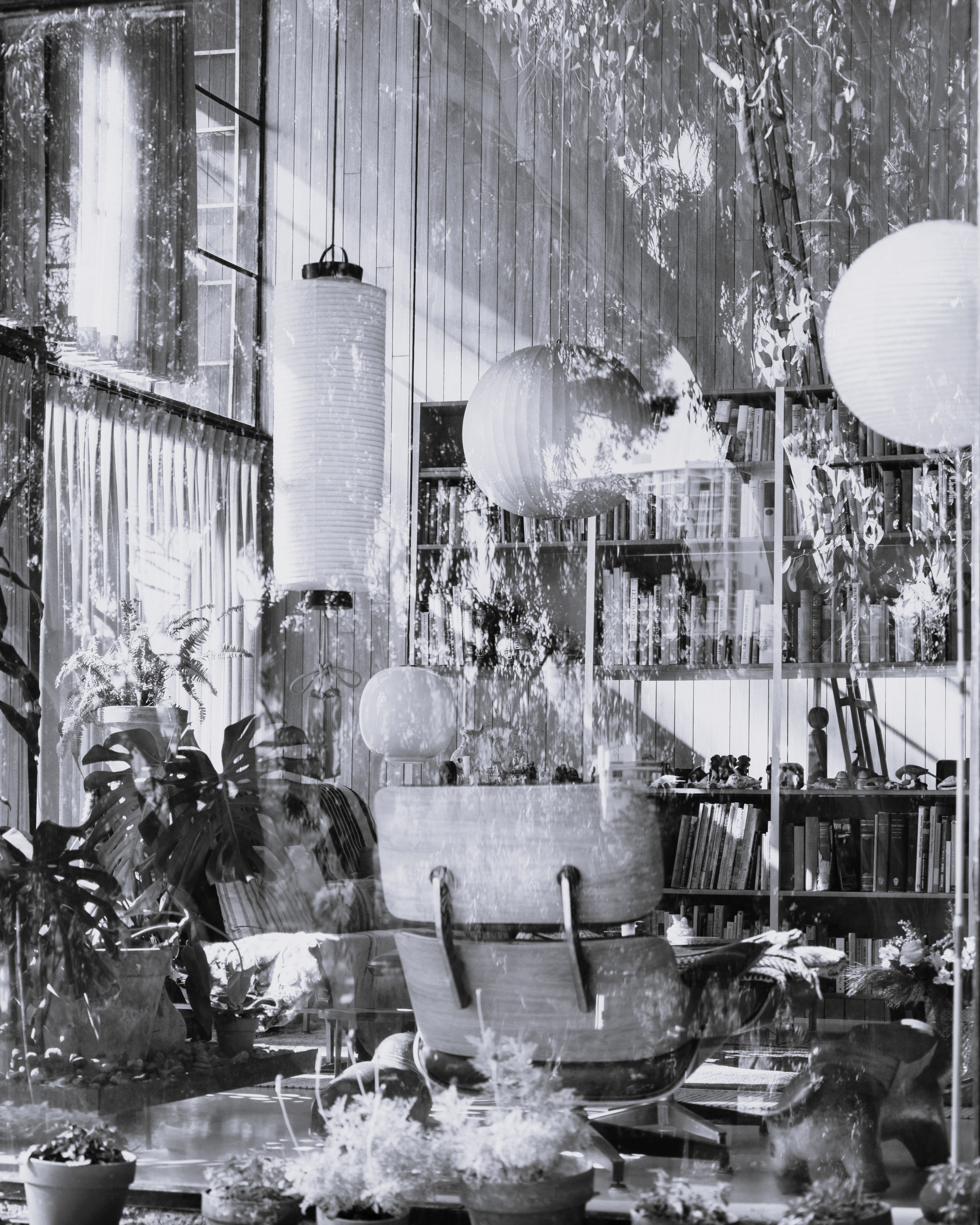
The best houses rarely announce themselves. Instead, they quietly support everyday life.
You instinctively know where to walk.
The light arrives where you need it.
Rooms feel connected without sacrificing privacy.
Views are framed naturally.
Nothing competes for attention because every element belongs to the same larger idea.
That is why calm is difficult to create by adding more things.
It almost always comes from removing conflict.
A narrow hallway that constantly interrupts movement.
A living room that never quite feels connected to the garden.
A kitchen where everyone ends up standing in each other's way.
Poor lighting that forces artificial light during the day.
These aren't decorating problems.
They're spatial decisions.
Good design reduces small moments of friction until living begins to feel effortless.
The remarkable thing is that most people notice the feeling long before they understand the reason.
They might describe a home as relaxing, generous, welcoming, or simply "nice to be in."
They're recognising the outcome of dozens of invisible design decisions working together.
Once you understand this, you stop judging houses by individual features.
Instead of asking, "Does it have high ceilings?" or "Is there enough natural light?" You begin asking, "How does this house make people feel?"
That is a far more powerful question. Because houses are not experienced as collections of rooms.
They are experienced as sequences of moments.
Every doorway prepares the next space.
Every window changes the quality of light.
Every proportion influences comfort.
Every decision contributes to the atmosphere people remember long after they leave.
A calm house isn't the result of luck.
It's the result of thoughtful design that quietly puts people first.
.png)
.png)