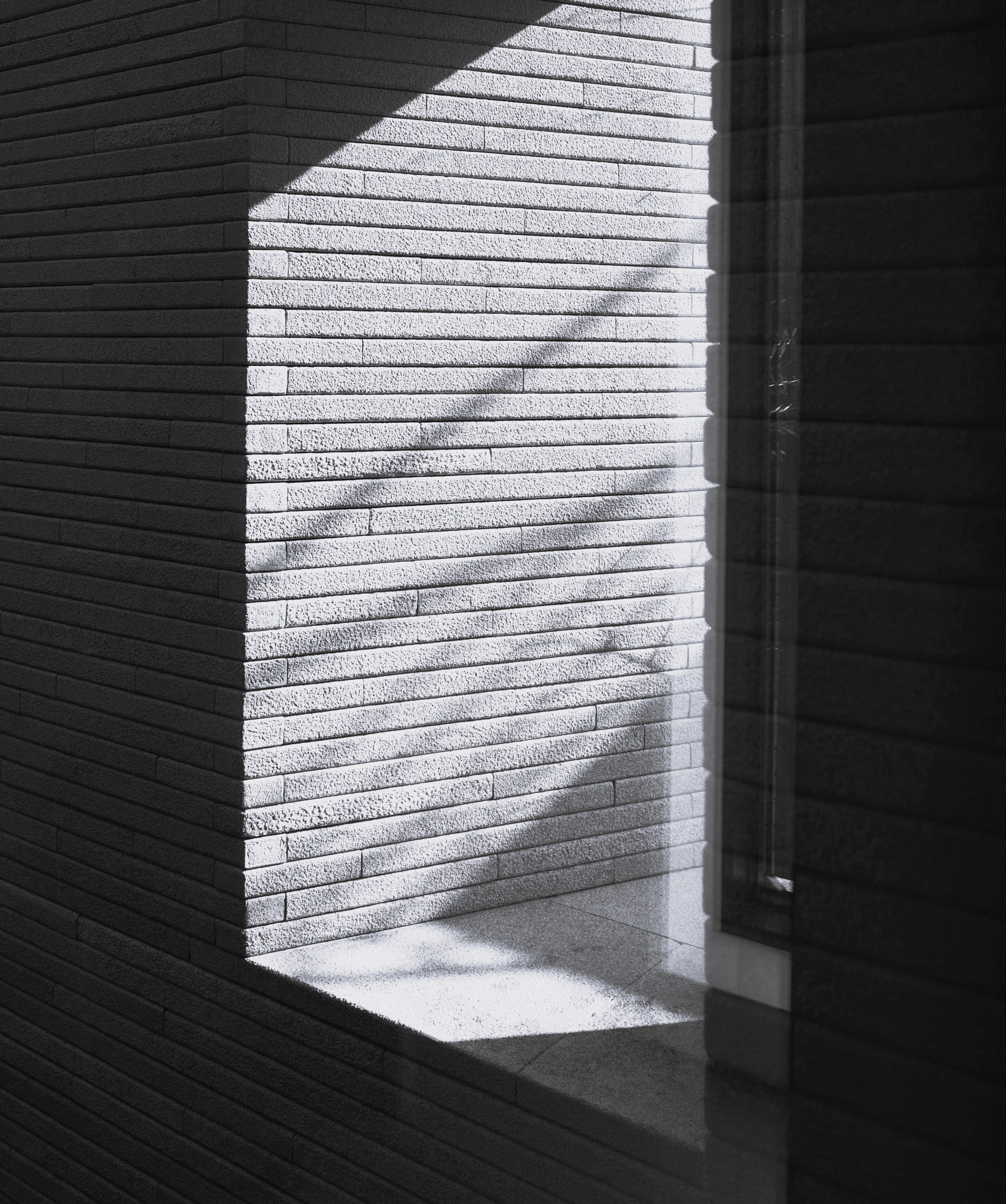


The smallest decisions often have the greatest impact. Most people never notice them—until they're missing.
A detail is more than a construction solution. It is where design becomes reality.
Every junction, reveal, threshold, and connection quietly influences how a house looks, performs, ages, and ultimately feels to live in.
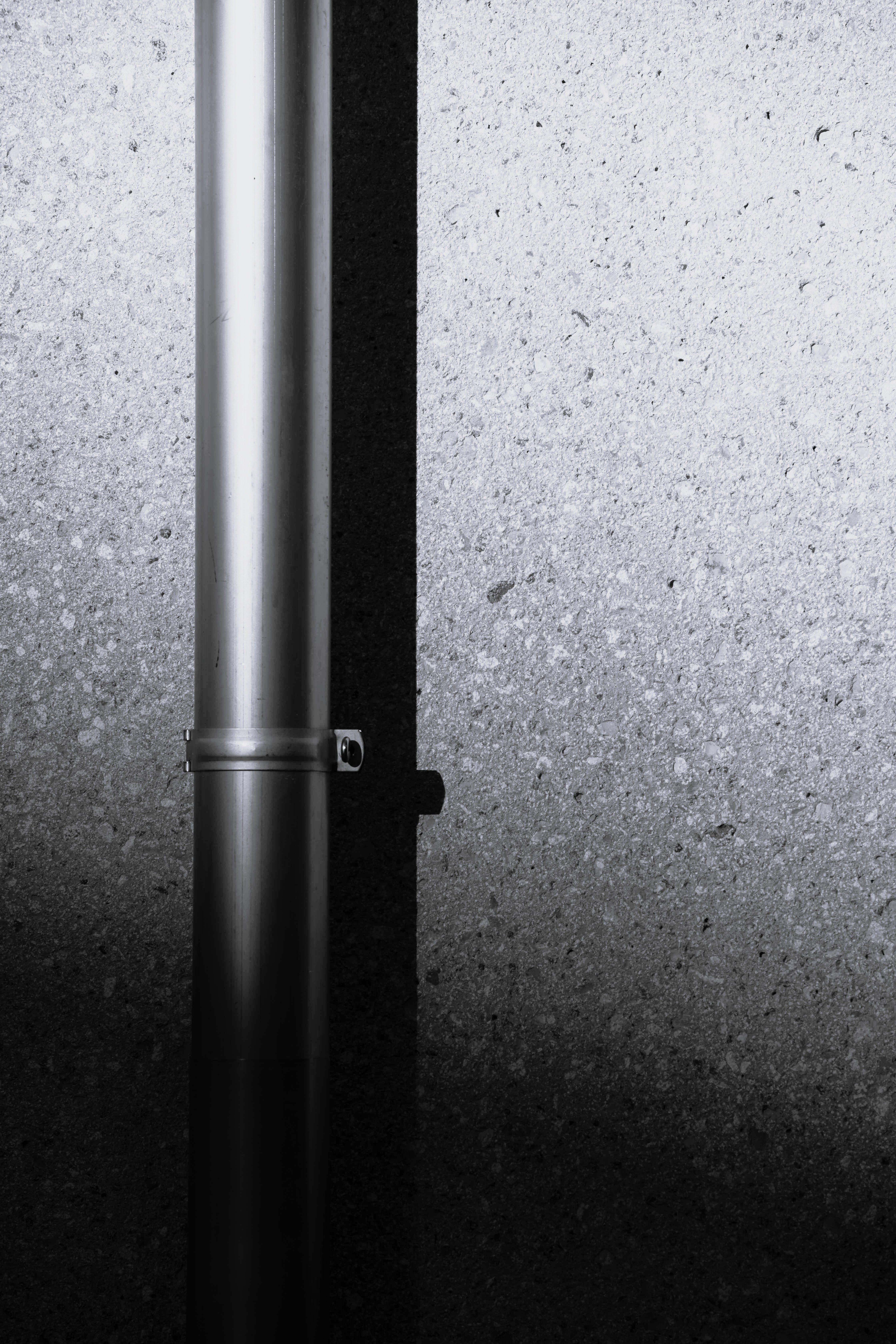
It's easy to admire a beautiful house from across the street. It's much harder to understand why it feels so carefully considered once you're inside.
The answer often lies in the details.
Details are the small decisions that connect everything together.
How a wall meets the floor.
How a window sits within its opening.
How a handrail feels beneath your hand.
How two different materials transition from one to another.
Individually, these moments seem insignificant.
Together, they shape the character of an entire house.
Good details rarely ask for attention.
Instead, they quietly make a house feel precise, comfortable, and effortless.
They are where intention survives the journey from drawing to reality.

Every building is made from thousands of decisions. Most of them are invisible.
Not because they're hidden inside walls, but because they're so well resolved that we never think about them.
A doorway feels comfortable to walk through.
A window frames the landscape naturally.
A stair feels safe without drawing attention to itself.
Light falls exactly where it's needed.
These experiences aren't accidents.
They're the result of details working together.
The opposite is equally true.
When details are poorly considered, we notice immediately—even if we can't explain why.
A bulky window frame interrupts a view.
An awkward step catches your foot.
Water stains appear where materials should have been protected.
A visible gap between finishes quietly undermines the feeling of quality.
The problem isn't usually one mistake.
It's the accumulation of many small compromises.
This is why architects often spend so much time drawing details.
They're not obsessing over tiny pieces of construction.
They're protecting the larger idea.
Every detail asks the same question:
"Does this decision support the experience we intended to create?"
If the answer is yes, the house feels coherent.
If the answer is no, the experience begins to fragment.
Perhaps the most surprising thing about details is that they aren't really about perfection.
They're about care. A carefully detailed house tells you that someone thought about how rain would move across a roof.
How sunlight would strike a wall.
How timber would expand over time.
How people would touch, lean, walk, gather, and live within the space.
Those decisions aren't glamorous.
They're rarely photographed.
But they're often the reason one house feels ordinary while another feels timeless.
Good architecture isn't only seen.
It's quietly experienced through thousands of thoughtful details working together.
.png)
.png)