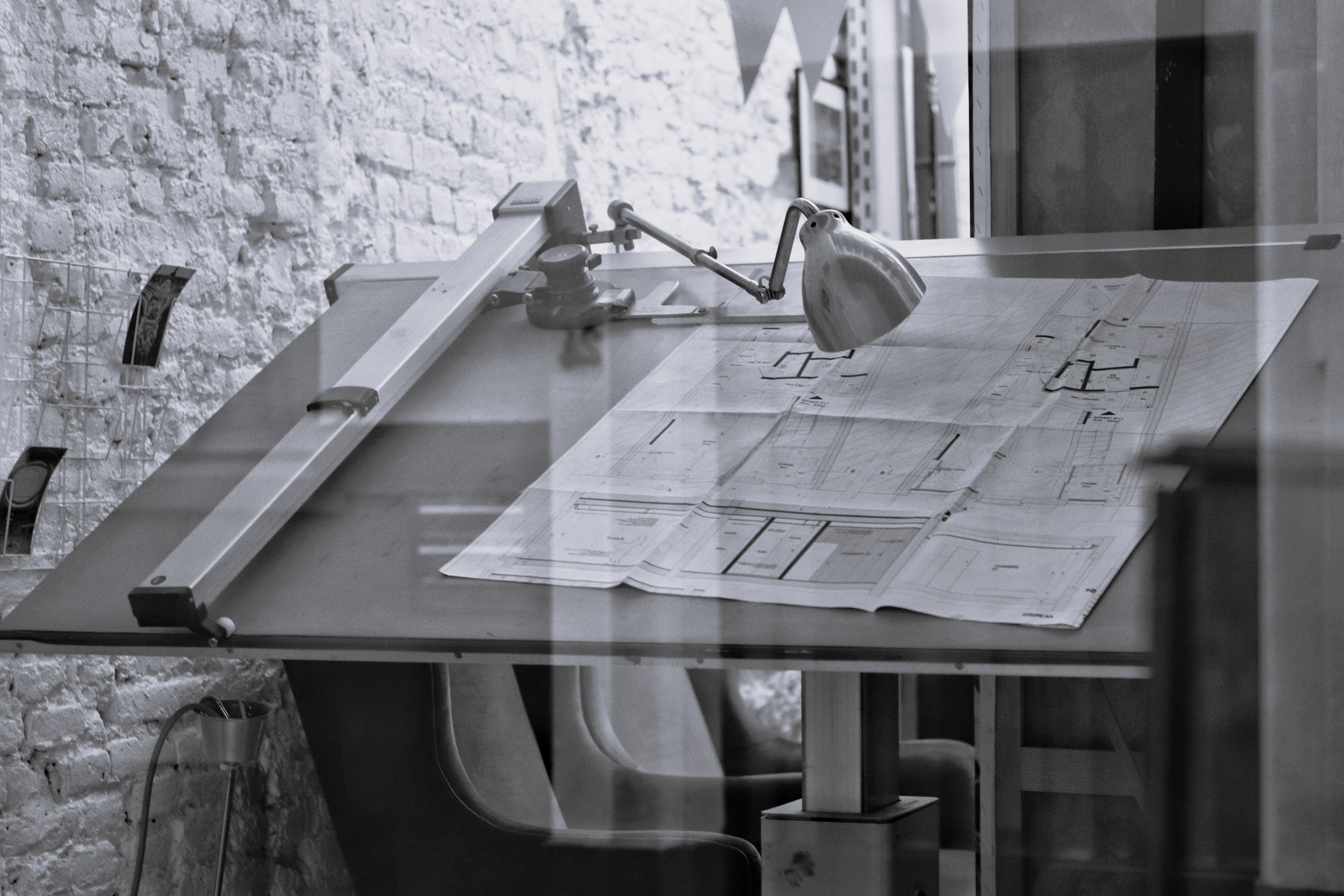


A floor plan isn't a technical drawing. It's a story about how a house is meant to be lived.
Most people see walls, doors, and dimensions. Designers see movement, light, privacy, relationships, and everyday life.
Learning to read a floor plan means understanding the thinking behind the drawing—not just the lines on the page.

For many people, a floor plan feels overwhelming.
There are symbols, measurements, abbreviations, and rooms connected by lines that seem to make sense only to architects and builders.
But a floor plan isn't really about construction. It's about people.
Every wall, doorway, window, and room exists to support the way someone will move, gather, rest, cook, work, or spend time together.
The drawing simply records those decisions.
Once you stop seeing a floor plan as a technical document, something changes.
You begin to recognise patterns.
You notice how public spaces connect to private ones.
How sunlight might enter a room.
How circulation flows through the house.
How everyday routines have quietly shaped the design.
A floor plan isn't telling you what a house looks like.
It's telling you how a house works.
Reading a floor plan is much like reading a map. At first, you recognise only individual symbols.
A bedroom. A bathroom. A kitchen. But with experience, those separate pieces begin to connect into something much larger.
You start following the journey from the front door to the living room.
You notice how visitors move differently from family members.
You recognise where noise will naturally gather and where quiet spaces have been protected.
You begin asking questions that aren't obvious from the drawing itself.
Where does the morning sun arrive?
What does someone see when they enter?
How far do groceries travel from the car to the pantry?
Can children move independently without crossing busy spaces?
Where does the house encourage people to gather—and where does it allow them to retreat?
These are the questions architects ask long before construction begins.
The floor plan is simply the record of those decisions.
That is why two houses with the same number of bedrooms and the same floor area can feel completely different to live in.
The difference isn't the size.
It's the relationships.
How rooms connect.
How proportions feel.
How movement unfolds.
How light changes throughout the day.
Once you learn to recognise those relationships, a floor plan stops being a confusing sheet of lines.
It becomes one of the clearest windows into the thinking behind a house.
You're no longer reading a drawing.
You're reading intention.
And once you can read intention, you begin making better decisions long before a single wall is built.
.png)
.png)